
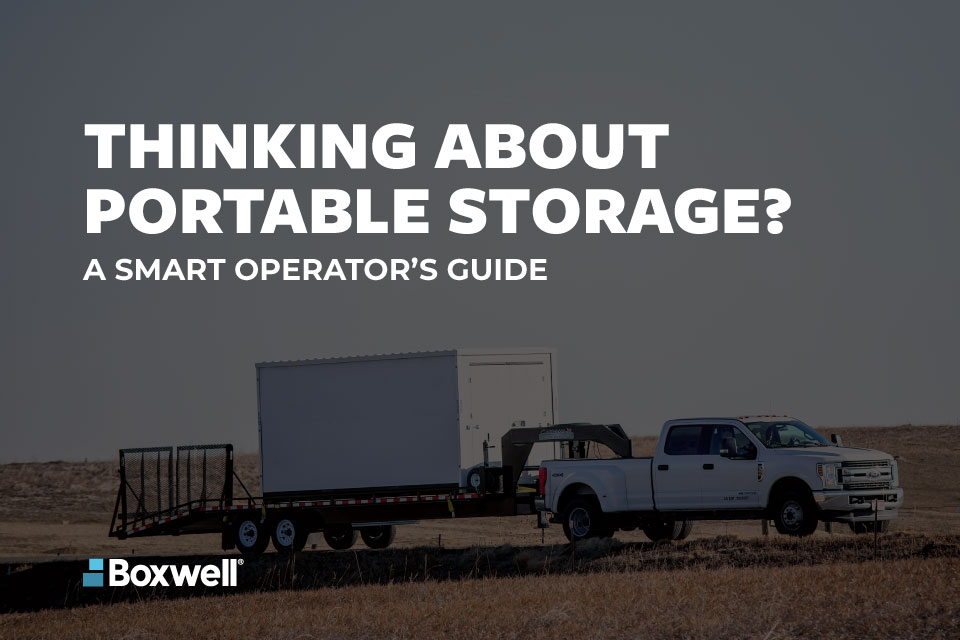
Launching a portable storage business differs from traditional self-storage. Rather than relying on location, success depends on logistics, durability, and how well units perform in real-world conditions.
Operators serve customers where they are. In practice, that may be a residential driveway during a move, an active construction site, or a neighborhood recovering after a natural disaster. Ultimately, the model depends on mobility, timing, and reliability. Therefore, choosing the right business model from day one supports those demands.
Getting Started in Portable Storage
Most portable storage businesses start with a simple goal: giving customers a secure container they can deliver, store, pick up, and redeploy as needs change.
As a new operator, your early focus should be on:
- Choosing a clear service model
- Understanding how customers interact with portable storage
- Building repeatable delivery and pickup workflows
Starting small helps. A manageable number of units allows you to test demand, refine operations, and learn how your market responds before scaling. Unlike many other businesses, portable storage does not require an extensive marketing budget at launch. Your containers themselves become your most visible asset, traveling through neighborhoods, job sites, and commercial areas as moving billboards for your company.
Portable storage supports many use cases. However, the industry centers around four core business models: moving, construction, restoration, and commercial storage. Many operators start with a small, intentional fleet, and Boxwell portable storage containers make it easy to scale inventory over time as demand becomes consistent.
Moving and Relocation: The Most Common Entry Point
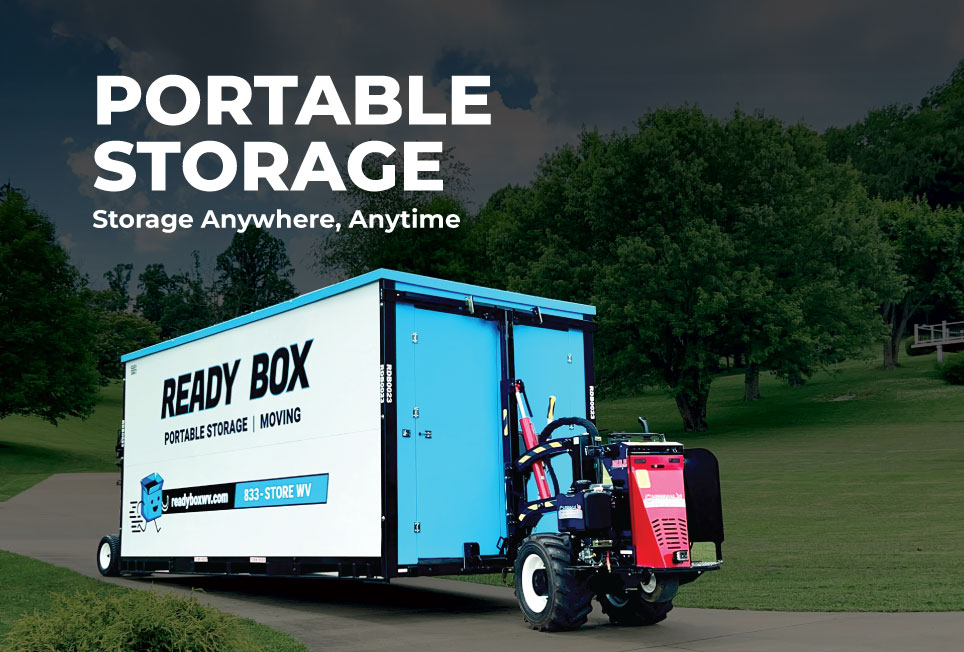
Moving and relocation represent the most common entry point into the portable storage industry. Customers already understand the concept, and the service fits naturally into residential and commercial moves.
In this model:
- A portable container is dropped off at a home or business
- The customer fills it at their own pace or with help from movers
- The container is either stored temporarily or delivered to a new location
This approach reduces handling of belongings and simplifies logistics. As a result, customers gain flexibility that traditional moving trucks or fixed storage locations cannot offer. For operators, it creates a steady flow of short- to mid-term rentals with predictable delivery and pickup cycles.
Success in this model depends heavily on delivery efficiency. Operators use a range of delivery systems depending on their market, equipment preferences, and staffing. Roll-back trucks, wheel dolly systems, and trailer-based delivery setups are all common in the industry. Many operators also work with equipment partners like Cardinal Mule systems to support controlled placement and repeat handling of containers while reducing labor demands.

Construction Storage
Construction is another core portable storage business model, particularly for operators serving commercial or municipal customers.
Construction projects rely on portable storage to:
- Provide on-site storage without permanent structures
- Secure tools, materials, or equipment on job sites
- Support crews working on short-term or extended projects
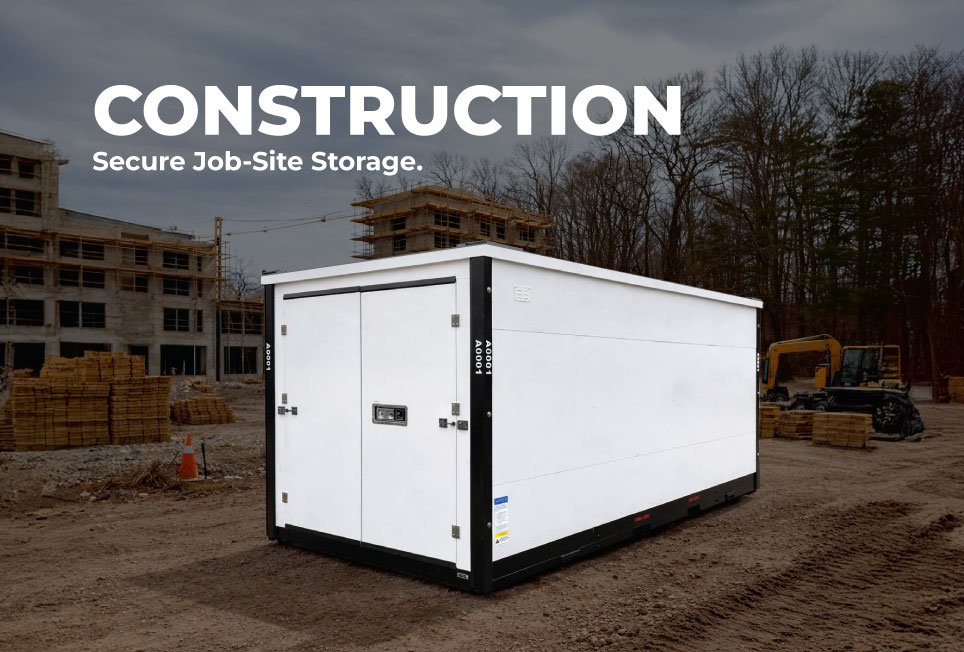
For example, a roadwork project may require multiple portable storage containers on-site for months at a time to store tools and supplies securely between shifts. These placements typically last longer than residential moving rentals, but operators still need containers they can deliver, reposition, and remove as projects evolve.
Operators serving construction customers benefit from containers built to withstand frequent handling and extended outdoor exposure while remaining easy to redeploy once a job is complete.
Restoration and Emergency Response
Disaster relief and emergency response is a more specialized but impactful portable storage model.
Portable storage containers are used to:
- Store household contents after natural disasters
- Support emergency response teams with secure, temporary storage
- Provide immediate storage solutions when infrastructure goes down
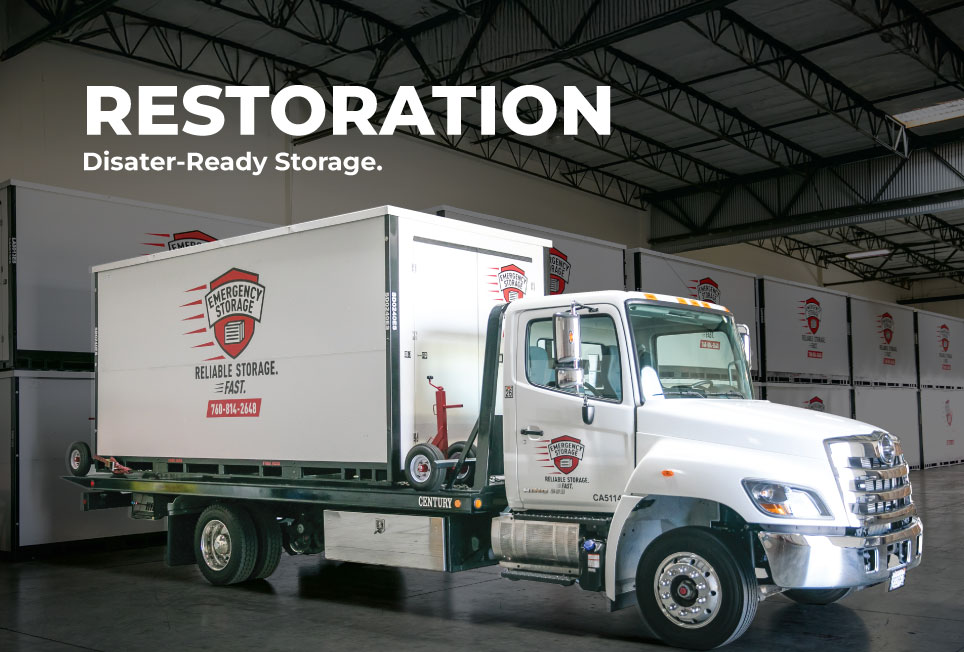
After hurricanes, wildfires, or floods, operators often deploy containers quickly to affected neighborhoods. During recovery, residents use these units to protect belongings during cleanup and rebuilding. These placements typically last longer than standard moving rentals and require rapid mobilization of multiple units.
This model places a premium on readiness and durability. Because of that, operators must rely on containers and delivery systems that perform consistently under pressure.
Commercial and Retail Storage
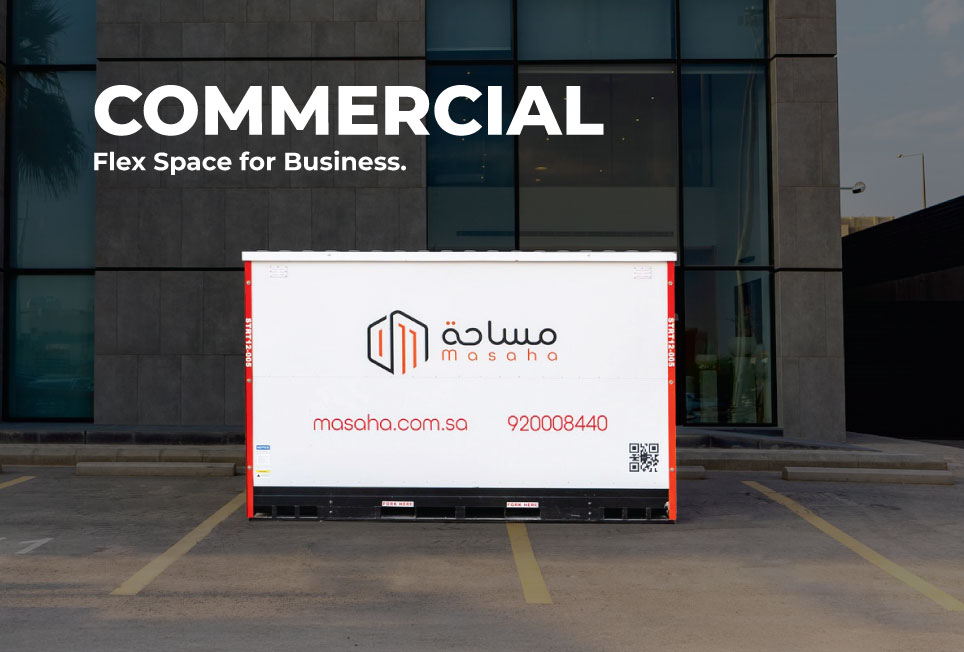
Commercial and retail businesses use portable storage to handle overflow fast without slowing down daily operations.
When inventory shipments outgrow backroom space, operators drop containers on-site to absorb the excess during peak seasons, remodels, or inventory spikes, then pull them as soon as stock levels stabilize.
Common commercial storage uses include:
- On-site overflow and seasonal inventory storage
- Temporary storage during remodels or renovations
- Secure storage for equipment, fixtures, and supplies
For portable operators, this model offers longer placements, predictable demand, and repeat business from commercial clients who value speed and flexibility.
Scaling a Portable Storage Operation
Scaling a portable storage business is not about adding complexity; rather, it’s about expanding capacity in a controlled, strategic way.
As demand begins to increase, operators typically focus on three key areas:
- Increasing unit inventory in phases
- Expanding service areas while maintaining delivery efficiency
- Balancing short-term and long-term rentals across different customer types
Because portable storage offers built-in flexibility, operators don’t need to overhaul their core business model to grow. Instead, they can scale by refining logistics, improving turnaround times, and strengthening container and delivery systems to support higher volume without creating bottlenecks.
In practice, operators scale successfully when they add inventory intentionally and invest in systems designed for repeat deployment—not one-off use.
Where Portable Storage Operators Win
Portable storage is a hands-on business, but it’s also a resilient one.
Operators who succeed commit to a clear business model, often starting with moving and relocation. They prioritize delivery efficiency from the beginning and choose containers designed for repeated real-world use. As demand becomes consistent, they scale deliberately and sustainably.
With the right foundation, portable storage can grow into a durable, flexible business that meets customers where they are and adapts as needs change.
Boxwell designs, manufactures, and installs industry-leading storage solutions. Our lineup includes relocatable self-storage units, portable containers, hallway systems, and roll up doors. Every product is fully customizable and built to last—trusted by companies across the United States, Canada, Europe, the United Kingdom, Australia, the Middle East, Asia, and beyond.
Boxwell is Built For Your Success. From the start, our mission has been simple: create the best B2B storage products and back them with outstanding customer support. Our clients gain access to dedicated Account Managers, design and installation services, and extensive product warranties.
We are here to help. Contact Boxwell today via our email, sales@boxwell.co, or call 303-317-5850.
