
When most people walk into an empty warehouse, retail store, or industrial building, they see unused space. Self-storage operators see opportunity.
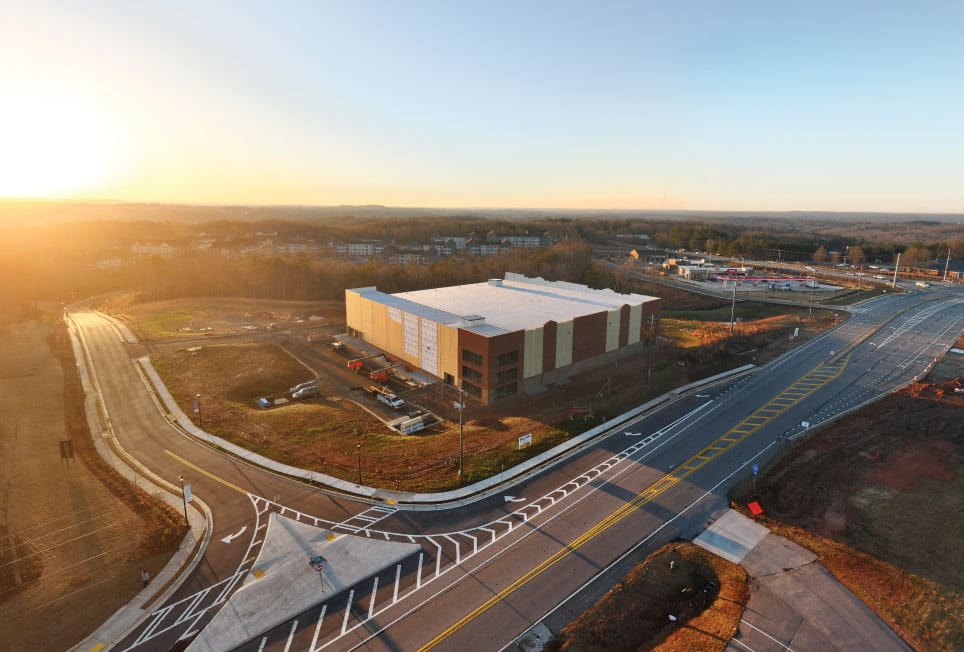
Across the U.S., building conversions remain a key part of self-storage development. Existing buildings provide a strong foundation, but converting them into self-storage requires more than adding units to an empty space.
Every building is different. Column spacing, ceiling height, utilities, fire protection systems, and building footprints shape the final design. As a result, successful conversion projects start with a custom approach.
Whether you’re converting a former retail store, warehouse, office building, or industrial facility, here’s a look at how a custom hallway system helps bring a self-storage project to life.
Step 1: Start With the Building
Every conversion project begins with understanding what you’re working with.
The process starts with building drawings supplied by the owner, developer, architect, or contractor. These drawings provide the framework for the project and help identify both opportunities and challenges within the building.
No two buildings are alike. Some offer large open floor plans, while others include structural columns, mechanical rooms, fire suppression systems, loading docks, stairwells, or unique building shapes that require design adjustments.
Before any design work begins, successful conversion projects start by understanding how the building can best support self-storage rather than forcing a standard layout into the space.
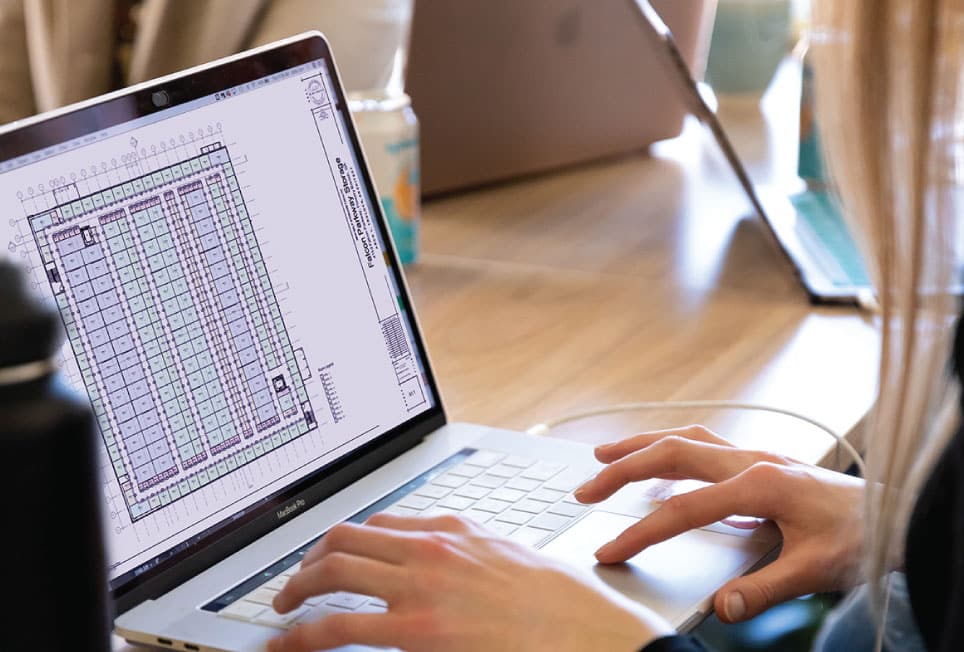
Using the building drawings, Boxwell’s in-house takeoff team evaluates the available space and identifies opportunities to maximize rentable square footage while working within the building’s existing footprint. In turn, this approach helps ensure the design takes advantage of every possible square foot while creating a layout that functions well for both operators and customers.
Step 2: Work with Boxwell
Once the building has been evaluated, the design process begins.
This is where an empty building starts to take shape as a self-storage facility.
Using the building plans, Boxwell’s in-house takeoff team develops a custom hallway system layout complete with corridors, unit mix, traffic flow, and facility access points. Every design is tailored to specific buildings and project goals.
One of the biggest advantages of a custom hallway system is the ability to design around challenges rather than treating them as obstacles. Structural columns, utility rooms, fire risers, HVAC equipment, and irregular building footprints all become part of the planning process.
The goal is not simply to fit the maximum number of units into a building. The goal is to create a facility that balances rentable square footage, customer experience, accessibility, and long-term operational success. By designing around the building’s unique characteristics, operators can often recover usable space that might otherwise be difficult to utilize.
Step 3: Customize Your Facility
Once the overall layout has been established, it’s time to customize the facility. Every self-storage project has different goals. Some operators prioritize durability and security, while others focus heavily on aesthetics and customer experience. The benefit of a custom hallway system is the ability to tailor those details to fit the project.
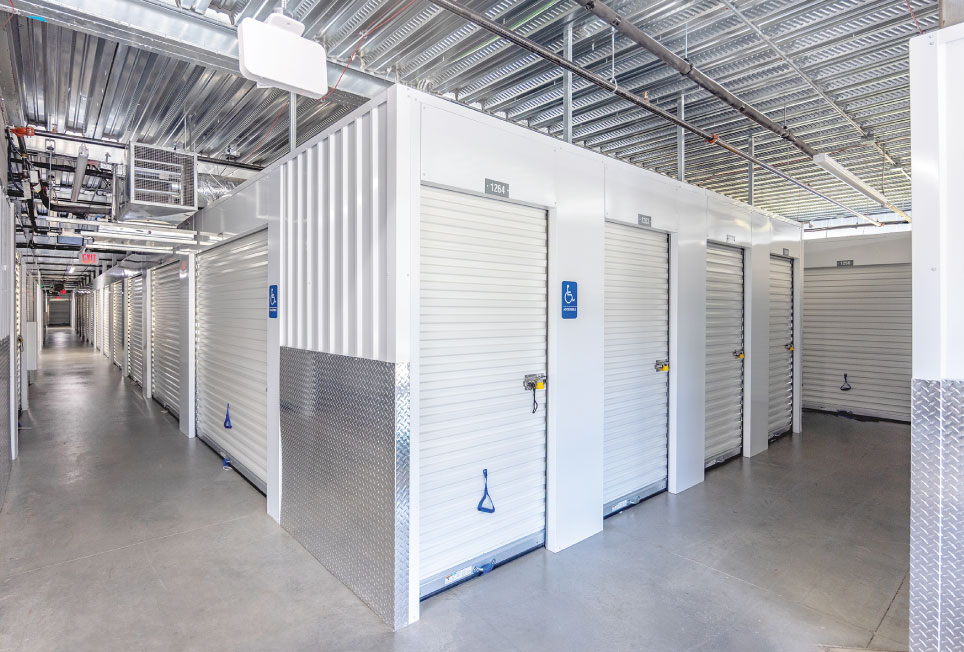
Depending on the facility, operators may choose to incorporate features such as wire mesh partitions, burglar bars, ADA-compliant components, custom corridor layouts, and a variety of roll-up door options.
Many operators also choose finishing touches that enhance the appearance and durability of the facility. Features such as wainscoting and diamond plate protection can help protect high-traffic areas from everyday wear while creating a more polished appearance throughout the facility.
These decisions may seem small individually, but together they help create a facility that reflects the operator’s brand while supporting long-term performance and customer satisfaction.
Step 4: Sign Off on the Design
Designing a self-storage facility is rarely a one-and-done process.
As owners, developers, and project teams review the layout, they often find ways to improve unit mix, adjust hallway placement, and maximize challenging areas within the building. The team can revise the layout as many times as needed to maximize rentable square footage and improve facility flow before production begins.
Once the owner approves the final drawings and signs the contracts, Boxwell releases the hallway system for production. At this stage, months of planning and collaboration come together in a finalized design ready to move from paper to reality.
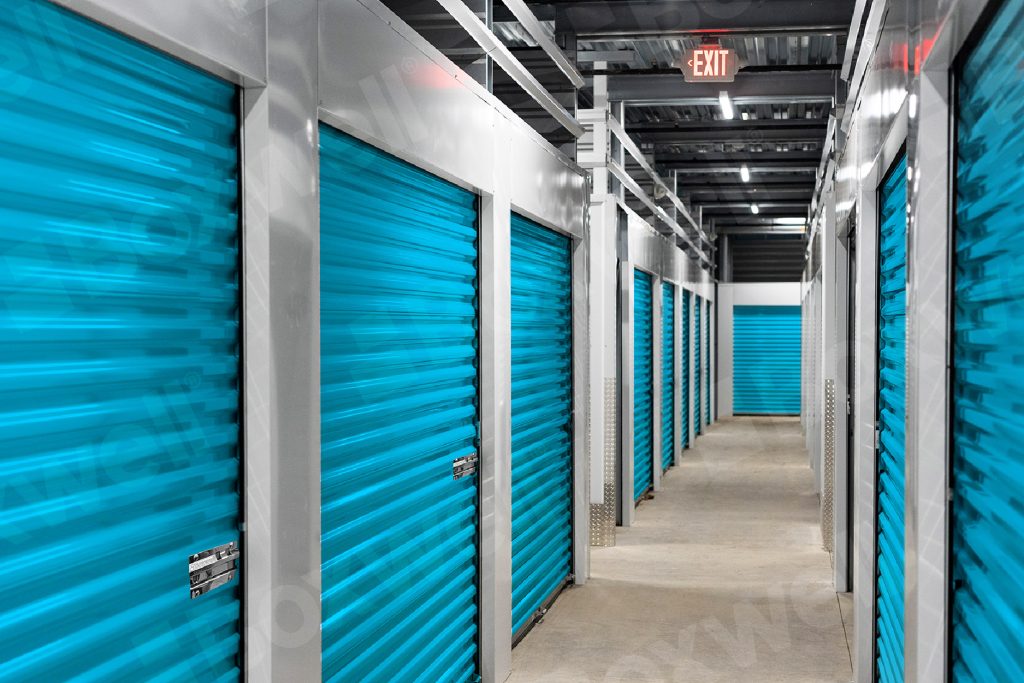
Step 5: Boxwell Installation: Bringing the Vision to Life
Once production is complete, the project moves from drawings and floor plans to a physical self-storage facility.
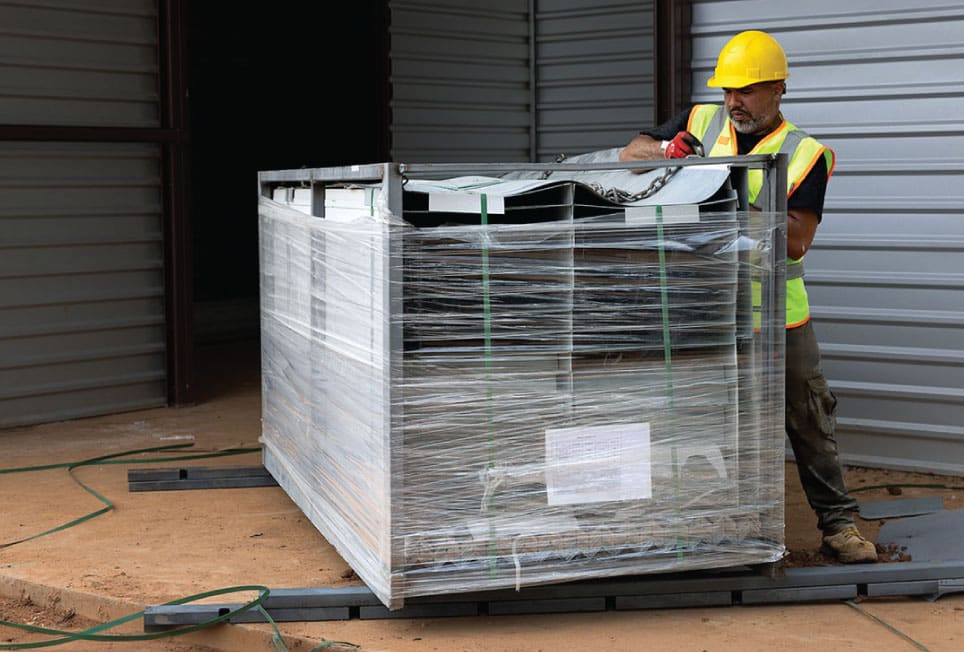
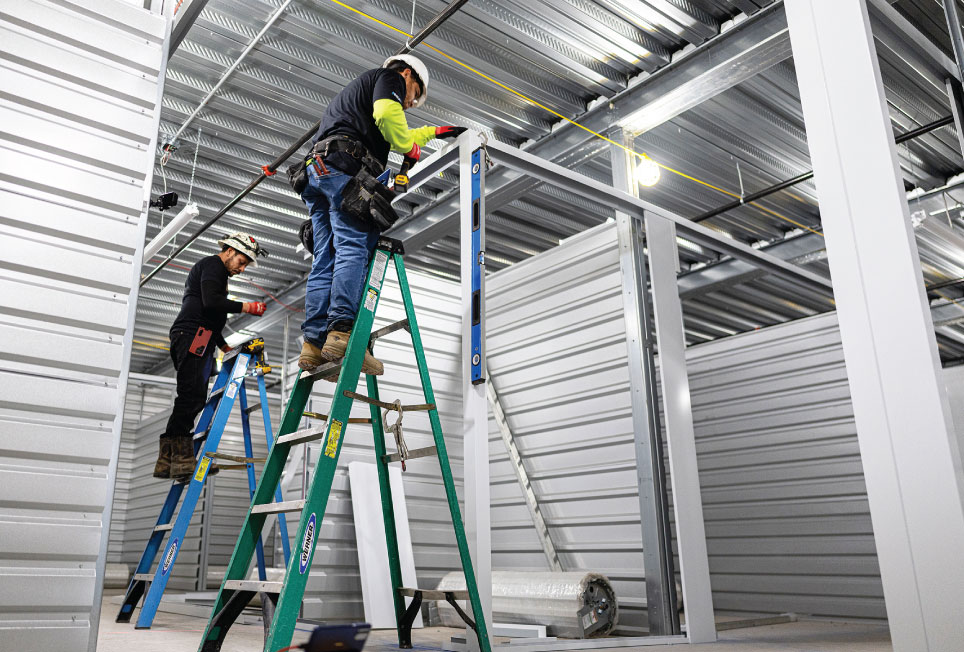
Boxwell ships the hallway system components to the project site, where its installation team brings the approved design to life. Coordination with contractors, project managers, and ownership groups helps ensure the installation process stays aligned with the overall construction schedule.
For many operators, this is where the project becomes real. Corridors take shape. Roll-up doors installed. Units begin to fill the space that once existed only on a set of drawings.
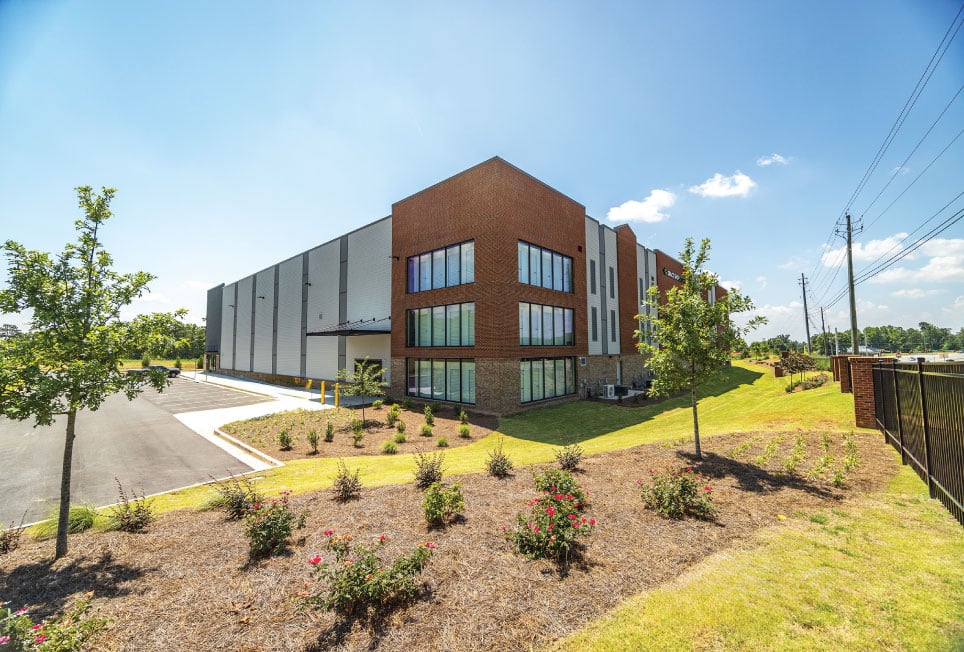
The speed of execution can often surprise operators. On a recent self-storage conversion project in Acworth, Georgia, Boxwell completed production in just 22 days. The installation team followed shortly after and finished the project in approximately 40 days, averaging nearly 10,000 rentable square feet per week.
The finished facility may look effortless, but every hallway, unit, and corridor is the result of careful planning, customization, manufacturing, and installation.
Turning Plans into Reality
A successful conversion project isn’t about forcing a building to fit a standard design.
It’s about creating a hallway system that works with the building, the market, and the operator’s goals.
From the initial building drawings and takeoffs to custom layouts, production, and installation, every step plays a role in transforming an empty building into a self-storage facility designed for long-term success.
When the right team, design, and hallway system come together, an empty building becomes much more than four walls. It becomes a revenue-generating self-storage facility built around the unique vision of the operator.
FAQ
What types of buildings can be converted into self-storage?
Many warehouses, retail stores, office buildings, manufacturing facilities, and industrial properties can be successfully converted into self-storage facilities. The feasibility of a project depends of factors such as building layout, local regulations, and market demand.
Why is a custom hallway system important for a conversion project?
Every building has unique dimensions and challenges. A custom hallway system allows the layout to be designed around existing building features, helping maximize rentable square footage and improve facility functionality.
What does Boxwell’s in-house takeoff team do?
Boxwell’s in-house takeoff team reviews building drawings and develops layouts designed to optimize the available space. The team works through revisions and refinements to help create a facility that aligns with the owner’s goals and the building’s constraints.
Can hallway systems be customized with different features?
Yes. Depending on the project, hallway systems can incorporate roll-up doors of different sizes, wire mesh, burglar bars, ADA-compliant components, and other features designed to support the facility’s operational needs.

Boxwell designs, manufactures, and installs industry-leading storage solutions. Our lineup includes relocatable self-storage units, portable containers, hallway systems, and roll up doors. Every product is fully customizable and built to last—trusted by companies across the United States, Canada, Europe, the United Kingdom, Australia, the Middle East, Asia, and beyond.
Boxwell is Built For Your Success. From the start, our mission has been simple: create the best B2B storage products and back them with outstanding customer support. Our clients gain access to dedicated Account Managers, design and installation services, and extensive product warranties.
We are here to help. Contact Boxwell today via our email, sales@boxwell.co, or call 303-317-5850.