
A full self-storage facility is usually a good problem to have. High occupancy means customers are using your space and demand is there. But when high occupancy becomes the norm, operators face a different question: Is it time to expand?
Expansion doesn’t always mean purchasing more land or starting another major construction project. Sometimes, the opportunity is already sitting within your existing property. An unused section of land, an unfinished interior space, or even a storage type you don’t currently offer could provide room to grow.
The key is knowing when customer demand, facility performance, and available space are pointing toward the same opportunity.
1.Your Occupancy Stays Consistently High
High occupancy during a busy season is one thing. Consistently high occupancy over an extended period can tell a different story.
If your facility regularly has limited availability, particularly among your most popular unit sizes, it may be worth looking at whether your current inventory still matches the demand in your market.
The important word here is consistent. Expansion decisions should not be based on a single busy month or temporary increase in demand. Look at your occupancy trends over time and consider what they are telling you.
It’s also important to look beyond national trends. The self-storage market continues to vary significantly by location. Yardi Matrix entered 2026 describing the industry as a market where performance was diverging by metro, making local demand and supply conditions particularly important when evaluating new development or expansion.
2. Certain Unit Sizes Are Always Full
Your facility doesn’t have to be completely full to have an expansion opportunity. Consider a property with plenty of overall availability, but few open units in one particular size. Adding more storage without looking at the unit mix could simply create more of something customers are not asking for.
Instead, look at occupancy by unit type and size.
Which units are rented first? Which have a waitlist? Which ten to stay vacant longer? Are customers renting a larger or smaller space because their preferred size isn’t available?
The goal should not necessarily be to add the greatest number of units. It should be to add the right units for your market.
3. Customers Are Asking for Something You Don’t Offer
Expansion can also mean adding variety.
Customers need change, and an established facility may begin receiving requests for storage options that weren’t part of the original development. That could include drive-up access, different unit sizes, vehicle storge, enclosed storage, or additional indoor units.
This is especially relevant for specialized storage properties. For example, an RV and boat storage facility has strong demand for large vehicle spaces while customers are also asking where they can store camping equipment, boating supplies, tools, or other belongings. In that situation, expansion may not mean adding another row of RV spaces. Traditional self-storage could complement what the facility already offers and give existing customers another reason to rent at the same facility.
Looking at what customers are requesting, not just what you currently provide, can uncover opportunities that might otherwise be missed.
4. You Have Unused Space on the Property
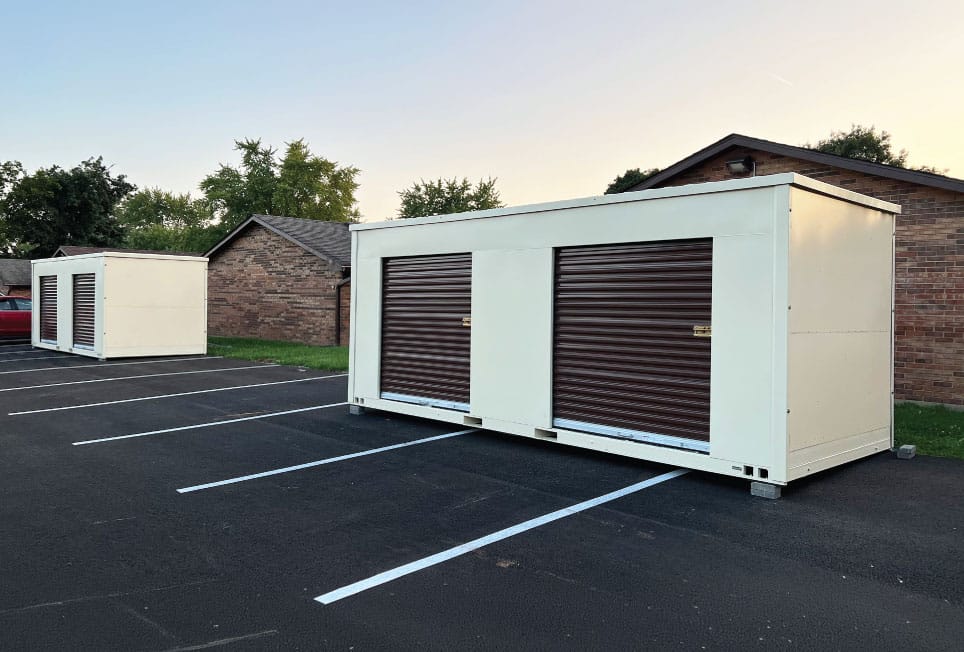
Take a look around your facility. Are there areas along the perimeter or fence line that are not being used? What about an awkward section of property that didn’t make sense for the original building design? Could an underused parking area provide additional storage capacity?
Not every square foot of a property is suitable for development, and local zoning, permitting, setbacks, and access requirements always need to be considered. But areas that were once overlooked may be worth re-evaluating as the facility grows.
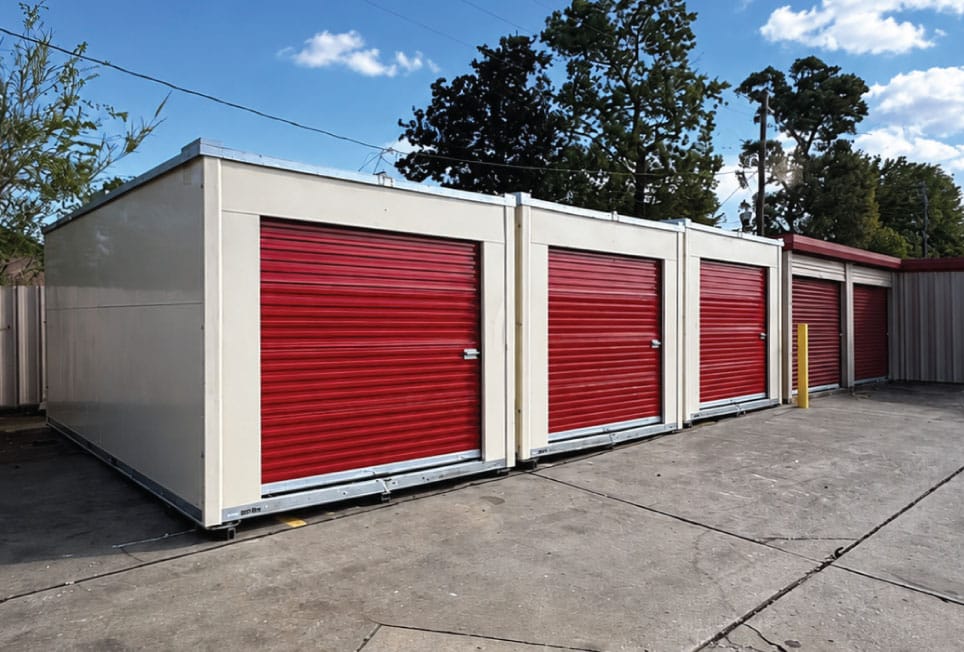
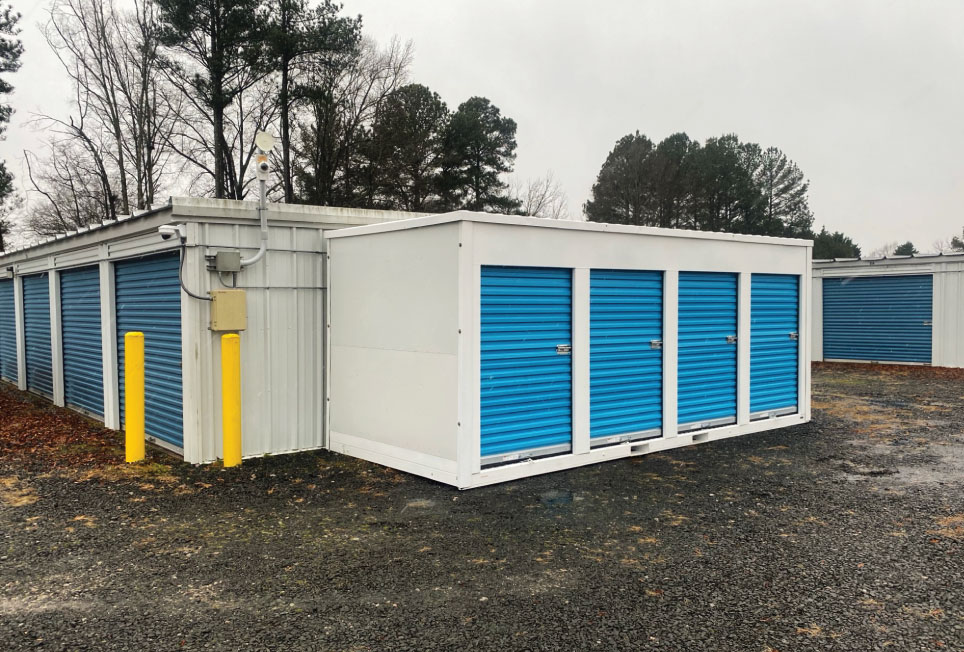
Boxwell’s relocatable storage units can provide operators with another option for expanding into usable exterior areas without approaching the project in the same way they would a permanent building expansion. Because expansion can happen incrementally, operators can also consider adding capacity based on demand rather than trying to predict how much space they will need years down the road.
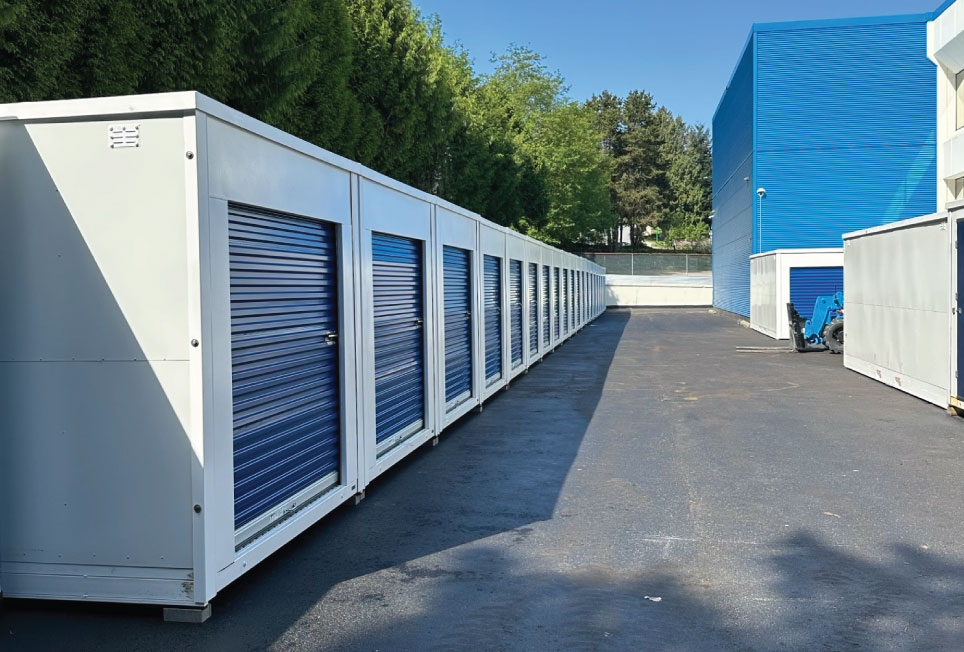
5. Your Existing Building Has More Potential
The opportunity to expand may also be inside. Warehouses, former retail buildings, unfinished areas, or open interior spaces can potentially be converted into rentable self-storage.
Boxwell’s interior hallway systems allow operators to divide open space into individual storage units while designing corridors and unit configurations around the building itself. Columns, access points, existing walls, and other building features all play a role in determining what a layout can look like. A well-planned conversion can turn previously unused interior square footage into functional storage without requiring an entirely new building.
Did You Know?
Expansion decisions are becoming increasingly market specific. Recent Yardi Matrix reporting shows why operators need to evaluate their own market rather than relying solely on national industry performance. As 2026 began, self-storage demand remained constrained nationally and performance varied significantly between metros. By spring, elevated supply was continuing to put pressure on annual rate growth in some markets.
For operators, that makes feasibility and local demand analysis especially important. A facility experiencing sustained demand has a strong case for expansion even while other property in a more heavily supplied market takes a different approach.
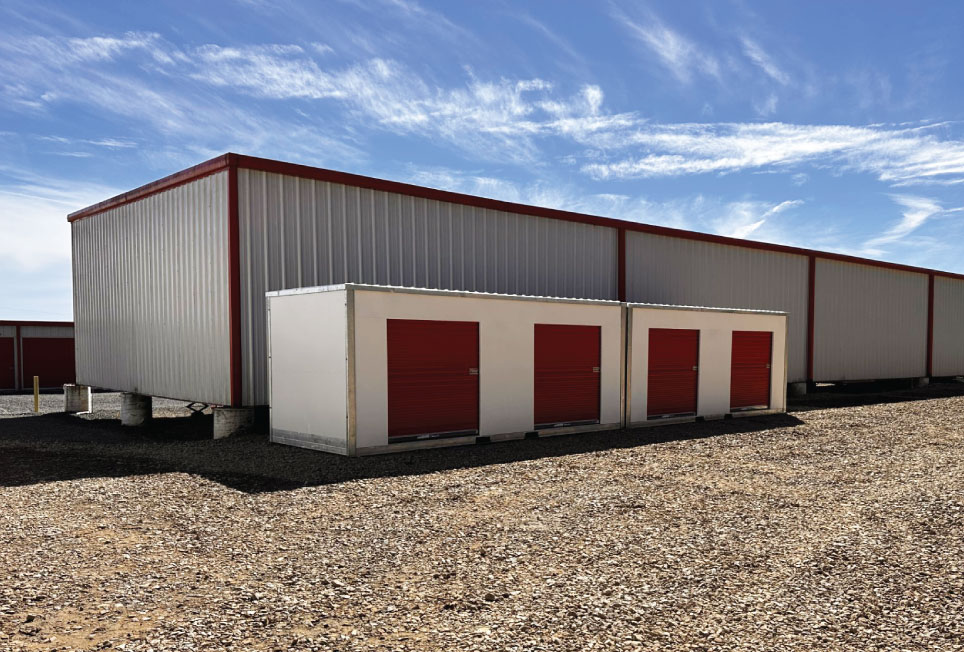
Expansion Doesn’t Have to Mean Another Building
When operators hear the word “expansion,” it’s easy to picture a large construction project. But there are several ways to create additional rentable space.
A facility might add exterior drive-up units, convert unused interior square footage, adjust its unit mix, or expand gradually as demand increases. For some properties, the best opportunity may even be adding a different type of storage that complements what is already there.
Boxwell works with self-storage operators to evaluate both interior and exterior expansion opportunities. Relocatable storage units can help turn available outdoor areas into drive-up storage, while interior hallway systems can transform opening building space into individual rentable units. The right solution depends on the property, market, and customers.
Know Before You Expand
There is no single occupancy percentage or milestone that automatically means it’s time to expand. Instead, look at the bigger picture.
Are you consistently running out of certain unit sizes? Are customers joining waitlists or being turned away? Are you receiving requests for storage options you do not currently provide? Do you have usable space on the property that is not generating rentals?
Your facility may already be telling you what is next. Successful expansion is not simply about adding more square footage. It’s about adding the right storage, in the right place, at the right time.
FAQ
What occupancy rate should a self-storage facility reach before expanding?
There isn’t one occupancy percentage that automatically means it’s time to expand. Operators should look at sustained occupancy alongside waitlists, unit-specific demand, local market conditions, and how often customers are being turned away. Consistent demand over time is a stronger indicator than a single occupancy number.
Do I need additional land to expand my self-storage facility?
Not necessarily. Depending on the property, operators may be able to add storage within existing exterior areas or convert unused interior space. Perimeter areas, underused parking, open warehouse space, and other overlooked areas may provide expansion opportunities without purchasing another property.
How can I determine what types of storage units to add?
Start with your existing customers and rental data. Look at which unit sizes stay full, what prospective customers request, and which storage options you currently don’t offer. The goal is to expand based on demonstrated demand rather than simply adding more of your existing unit mix.
Boxwell designs, manufactures, and installs industry-leading storage solutions. Our lineup includes relocatable self-storage units, portable containers, hallway systems, and roll up doors. Every product is fully customizable and built to last—trusted by companies across the United States, Canada, Europe, the United Kingdom, Australia, the Middle East, Asia, and beyond.
Boxwell is Built For Your Success. From the start, our mission has been simple: create the best B2B storage products and back them with outstanding customer support. Our clients gain access to dedicated Account Managers, design and installation services, and extensive product warranties.
We are here to help. Contact Boxwell today via our email, sales@boxwell.co, or call 303-317-5850.