If you’re considering entering the portable storage industry, you probably have a lot of questions. What exactly is portable storage? How does the business work? How is it different from traditional self-storage? And what do you actually need to get started?
Portable storage combines storage with mobility, bringing the storage unit directly to the customer instead of requiring the customer to bring their belongings to a fixed facility. It’s a simple concept, but behind every portable storage container is an operation that manages deliveries, pickups, transportation, storage, and a fleet of container/s
If you’re brand new to the industry, here’s what you need to know.
What Is Portable Storage?
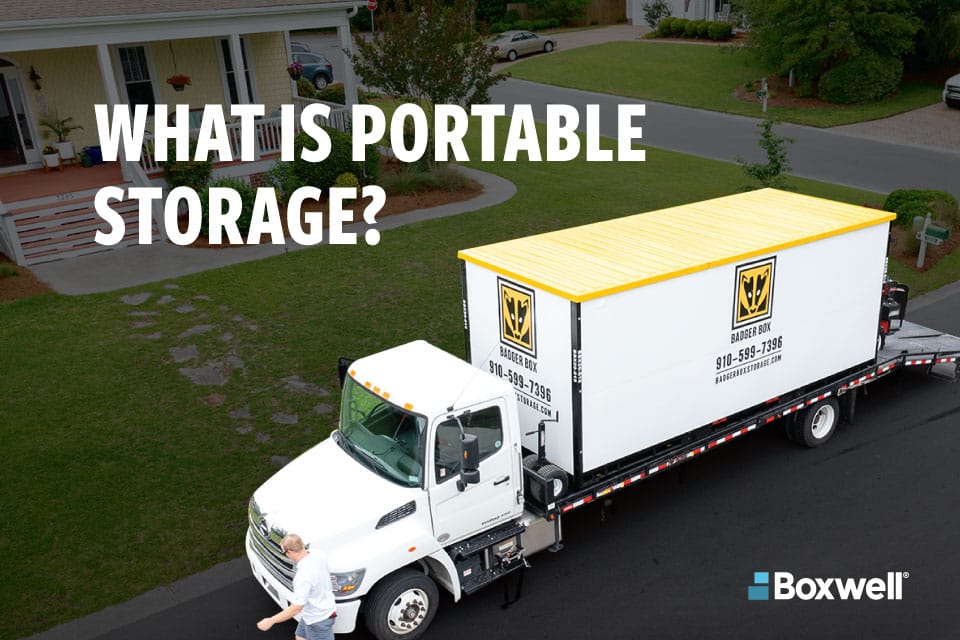
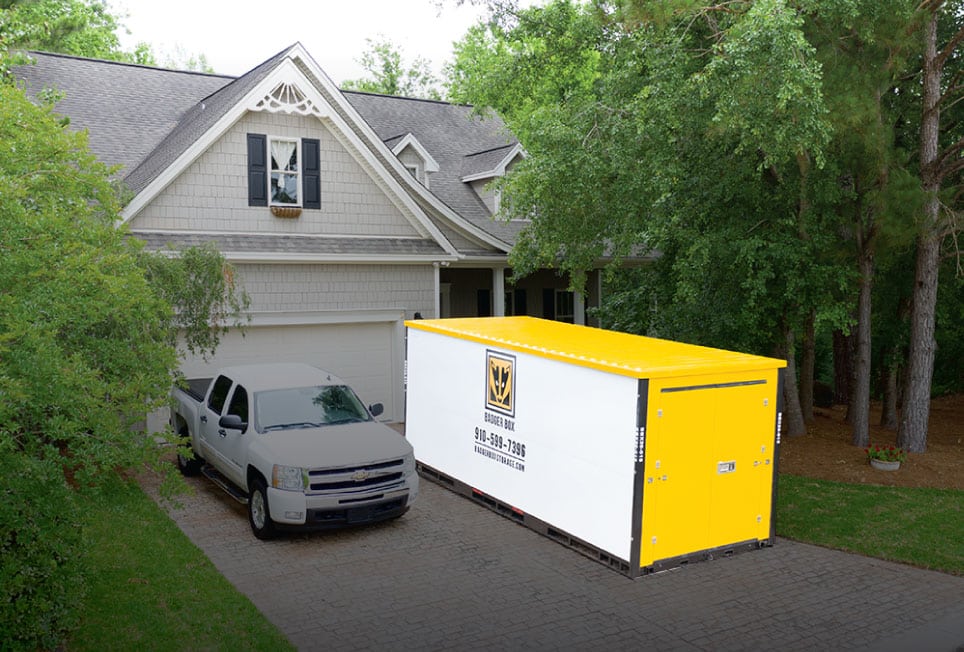
Portable storage brings the storage container directly to the customer’s home, business, job site, or other location.
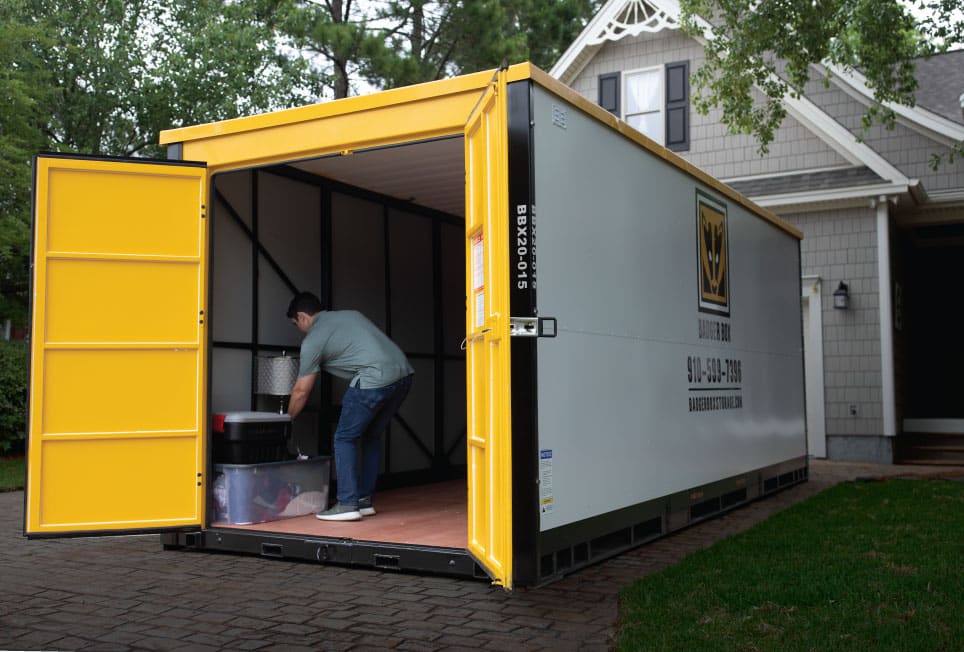
Customers can load the container at their own pace and use it for short- or long-term storage. Depending on their needs, they can keep the loaded container onsite or have the operator transport it to a secure storage yard or another destination.
This flexibility allows portable storage to serve a variety of residential and commercial needs, including moving, renovations, construction, restoration, business inventory, and temporary storage.
For an operator, portable storage is more than renting containers. You’re managing a fleet that moves between customers, storage yards, and destinations based on demand.
How Does Portable Storage Work?
While services vary by operator, a typical portable storage rental follows a fairly straightforward process.
1. The customer rents a container.
A customer selects the container size and schedules a delivery based on their storage and moving needs.
2. The container is delivered.
The operator transports the empty container to the customer’s location using a compatible delivery system.
3. The customer loads the container.
Instead of transporting belongings back and forth to a storage facility, the customer loads the container where it was delivered.
4. The container stays or moves.
Once loaded, the container may remain onsite for as long as the customer needs it. If the customer prefers off-site storage, the operator can pick it up and returns to a storage yard. For a move, the container may be transported to the customer’s new location.
5. The container is picked up and prepared for its next rental.
When the customer is finished, the operator retrieves the container, inspects it, handles any necessary cleaning or maintenance, and returns it to the fleet.
This process gives customers a more convenient way to store their belongings while operators manage the containers, equipment, drivers, schedules, and storage space behind the scenes.
Portable Storage vs. Traditional Self-Storage
Portable storage and traditional self-storage serve a similar purpose, but there is one major difference.
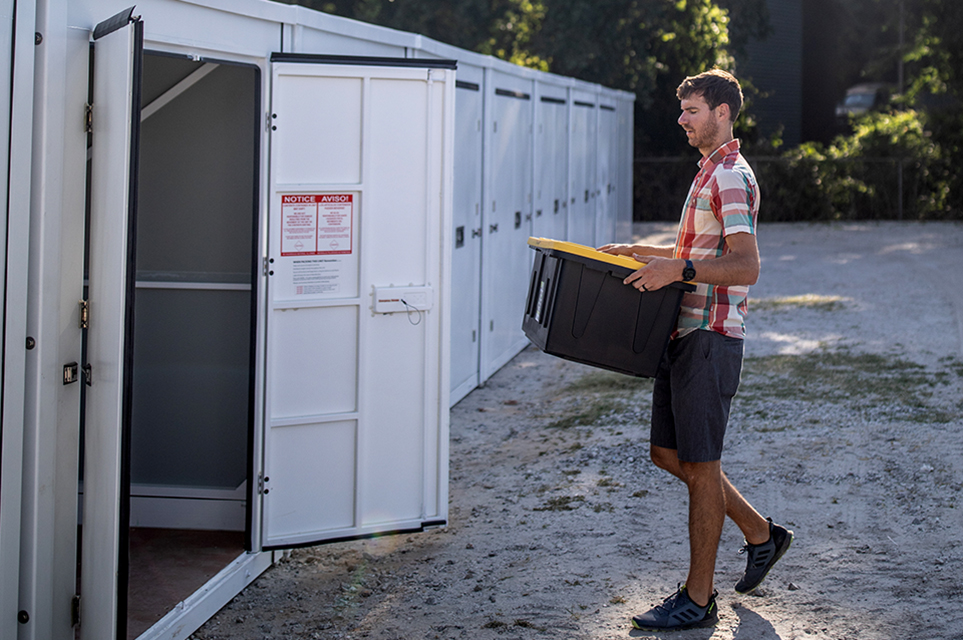
With traditional self-storage, the customer brings their belongings to the storage unit. With portable storage, the storage unit is brought to the customer.
A traditional self-storage customer typically rents a unit at a fixed facility and travels to that facility whenever they need to add or remove belongings.
Portable storage changes that process. Since the container goes directly to the customer, they can load it at their home, business, or job site. They can then keep the container onsite or have the operator transport it to another location.
The two models don’t have to be completely separate. Existing self-storage businesses may also add portable storage to expand their services beyond the physical boundaries of their facility.
Who Uses Portable Storage?
One of the advantages of portable storage is the range of customers and industries it can serve.
Moving and relocation: A container can be delivered before a move, allowing customers to load on their own schedule before it is transported to their new location.
Home renovations: Homeowners may need temporary space for furniture and belongings while remodeling a kitchen, replacing floors, or completing other projects.
Construction: Contractors and construction companies can use portable containers to keep tools, equipment, and materials close to a job site.
Restoration: Following a fire, flood, storm, or other property damage, portable storage can provide temporary space for belongings during cleanup and repairs.
Commercial storage: Retailers, offices, property managers, and other businesses may need additional space for inventory, equipment, documents, and seasonal items.
Because the same fleet can serve different types of customers, operators may choose to focus on one market or build a customer base across several.
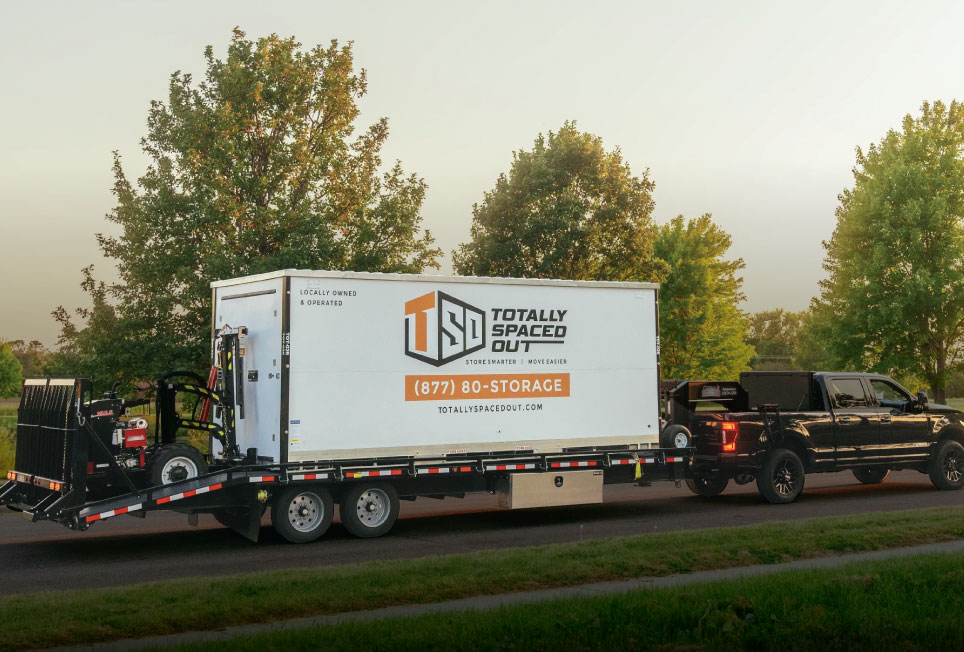
Where Are Portable Storage Containers Kept?
This depends on the operator’s business model and what the customer needs.
Some containers spend the entire rental period at the customer’s location. This is often referred to as onsite storage.
Other customers may want the convenience of loading at their location without keeping the container there long term. In that case, the operator picks up the loaded container and transports it to a storage yard until the customer needs it again.
A storage yard also gives operators a place to keep empty containers between rentals. As a portable storage business grows, yard organization and space become increasingly important parts of fleet management.
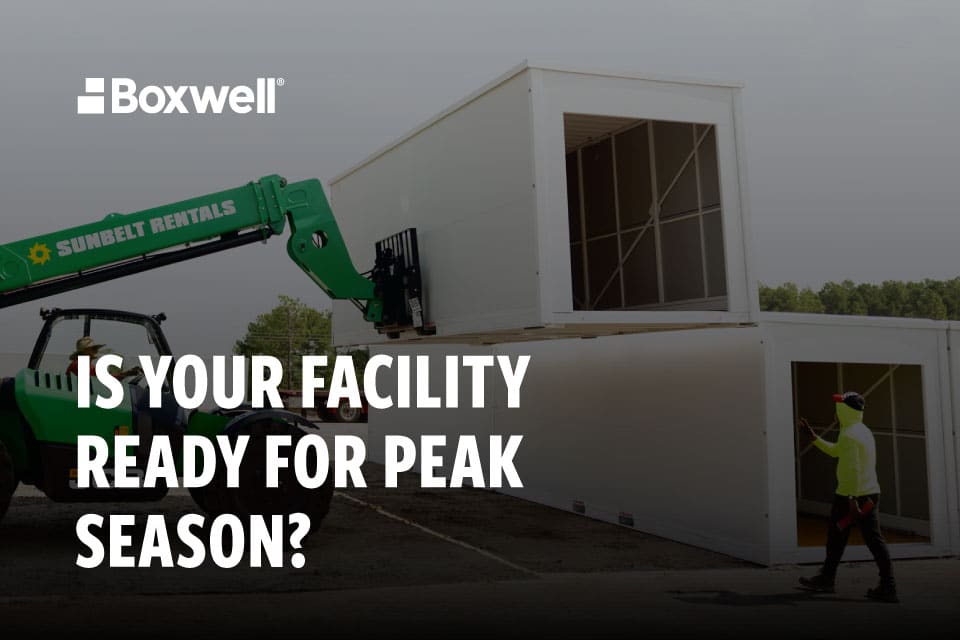
Boxwell portable storage containers are designed to be stacked when stored at an operator’s yard, helping businesses make better use of available space.
How Are Portable Storage Containers Delivered?
Delivery is one of the biggest operational differences between portable storage and traditional self-storage.
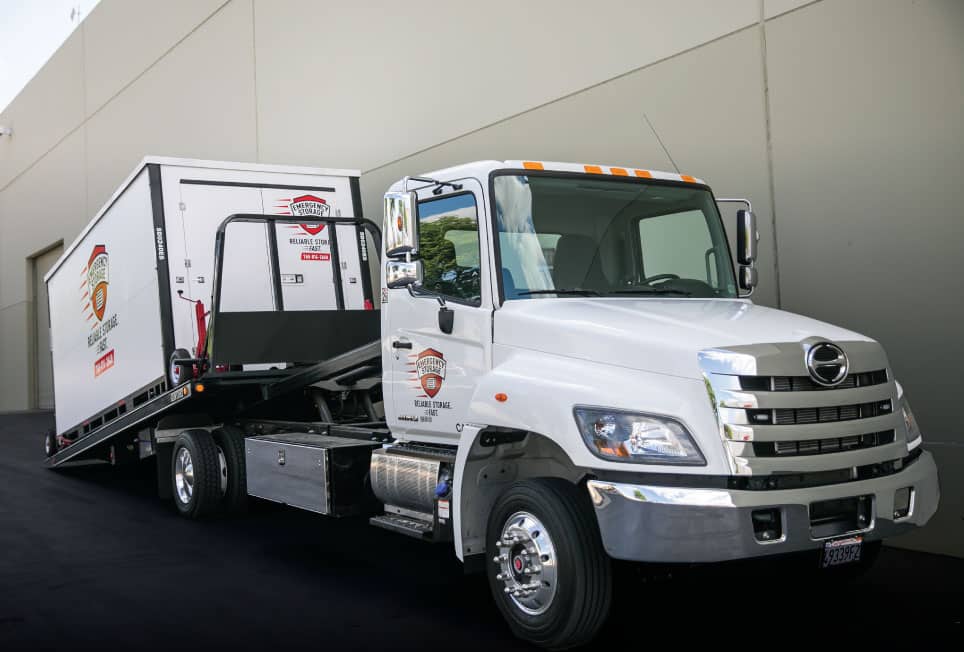
Operators transport portable storage containers between their yard and customer locations, so they need equipment that can safely load, unload, and position each container.
There isn’t just one way to do this. Some of the delivery systems you may come across when researching the portable storage industry include rollback tow trucks, semi-trailers, Hawk Lift systems, No Ramp trailers, and the Cardinal Mule. Each approaches container transportation and placement a little differently. Rollback trucks use a hydraulic tilt bed to slide containers on and off the truck, while systems like the Hawk Lift and Cardinal Mule keep containers relatively level during loading and unloading.
Other delivery systems tilt the container as they move it on or off the truck or trailer. Equipment size and maneuverability can also matter when delivering to residential driveways, job sites, or other locations with limited space.
This makes compatibility an important consideration when choosing both containers and delivery equipment. Containers designed specifically for portable storage may include features such as forklift pockets, tie-down points, receiver tubes, or other components that make repeated transportation and handling easier.
For someone entering the industry, it is important to think about the container and delivery system together rather than treating them as separate purchases.
What Do You Need to Start a Portable Storage Business?
You don’t need to have every detail figured out before exploring the industry, but there are several basic pieces that make a portable storage operation work.
Portable storage containers: Your containers are the core of the business. Operations should consider durability, size options, security, weather resistance, delivery compatibility, maintenance, branding, and how the units will hold up through repeated moves.
Delivery equipment: You’ll need a reliable way to deliver, position, retrieve, and transport containers. Your equipment needs will depend on the containers you select and how you plan to operate.
A storage yard: If containers will be stored off-site or between rentals, you’ll need adequate space to securely store and organize your fleet.
A service area: Delivery distance affects scheduling, fuel, driver time, and overall operating costs. Establishing a practical service area helps keep logistics manageable.
Scheduling and management systems: As rentals grow, you’ll need a way to keep track of customers, container locations, deliveries, pickups, billing, and availability.
Maintenance procedures: Containers are repeatedly transported and exposed to outdoor conditions. Regular inspections, cleaning, repairs, and preventative maintenance help keep a fleet rental ready.
Choosing the Right Portable Storage Containers
For a new operator, it can be tempting to think of a storage container as simply a steel box. But portable storage containers have a demanding job.
Operators may load and unload containers repeatedly, transport customers’ belongings, store units outdoors in different weather conditions, and move them between a variety of locations.
That makes features such as structural strength, flooring, ventilation, weather protection, door design, security, delivery compatibility, and stackability important considerations.
Boxwell’s portable storage containers are built specifically for the demands of portable storage operations, with transportation and delivery features incorporated into the container design. Operators can also customize containers with company colors and branding, turning each unit into a visible part of their business while it’s out in the field.
Is Portable Storage Right for Your Business?
For someone considering entering the portable storage industry, the first step isn’t necessarily purchasing a fleet. Start by understanding the market you plan to serve.
Who are your potential customers? Are you primarily interested in moving and residential storage, or is there demand from construction companies, restoration businesses, or commercial customers in your area? Who else provides portable storage nearby? How large of a service area could you realistically manage?
From there, you can begin researching containers, delivery systems, storage yards, operating costs, local requirements, and the number of units that make sense for your initial fleet.
Starting with a manageable operation can also give you time to understand local demand and refine your delivery and pickup processes before expanding. Portable storage businesses can scale by adding containers and increasing their service area as demand grows.
The National Portable Storage Association (NPSA) is another resource worth knowing. The organization focuses specifically on the portable storage industry and provides education, networking, industry resources, and information on business practices, safety, and regulatory compliance.
Getting Started in Portable Storage
Entering a new industry comes with plenty of questions, and portable storage is no different. Understanding how the basic model works is a good place to start.
At its core, a portable storage business combines storage, transportation, and customer service. The containers are important, but so are the systems used to deliver them, track them, maintain them, and keep them moving efficiently.
Once you understand those fundamentals, you can start building an operation that fits your market, your customers, and your plans for growth.
Boxwell designs, manufactures, and installs industry-leading storage solutions. Our lineup includes relocatable self-storage units, portable containers, hallway systems, and roll up doors. Every product is fully customizable and built to last—trusted by companies across the United States, Canada, Europe, the United Kingdom, Australia, the Middle East, Asia, and beyond.
Boxwell is Built For Your Success. From the start, our mission has been simple: create the best B2B storage products and back them with outstanding customer support. Our clients gain access to dedicated Account Managers, design and installation services, and extensive product warranties.
We are here to help. Contact Boxwell today via our email, sales@boxwell.co, or call 303-317-5850.